Introduction
Airports today are evolving into complex commercial ecosystems that combine transportation, retail, hospitality, and digital services. With millions of passengers traveling through terminals every year, ensuring smooth navigation and efficient operations has become a major priority for airport authorities. As airport infrastructures expand with multiple terminals, retail outlets, lounges, and service zones, passengers often find it difficult to locate their destinations quickly.
To address these challenges, airports are increasingly adopting AI Indoor Wayfinding and Positioning technologies. These intelligent systems help travelers navigate large indoor environments with ease by providing real-time directions and interactive digital maps. Unlike traditional signboards and static maps, AI-powered indoor navigation platforms provide dynamic guidance that adapts to passenger movement and airport layouts.
In addition to improving passenger experience, these systems also support operational efficiency and commercial growth. By integrating with modern airport management solutions, indoor navigation platforms can provide valuable insights about passenger behavior, traffic flow, and retail engagement. These insights allow airport operators to make better decisions regarding infrastructure planning, retail strategies, and passenger services.
What is AI Indoor Wayfinding and Positioning?
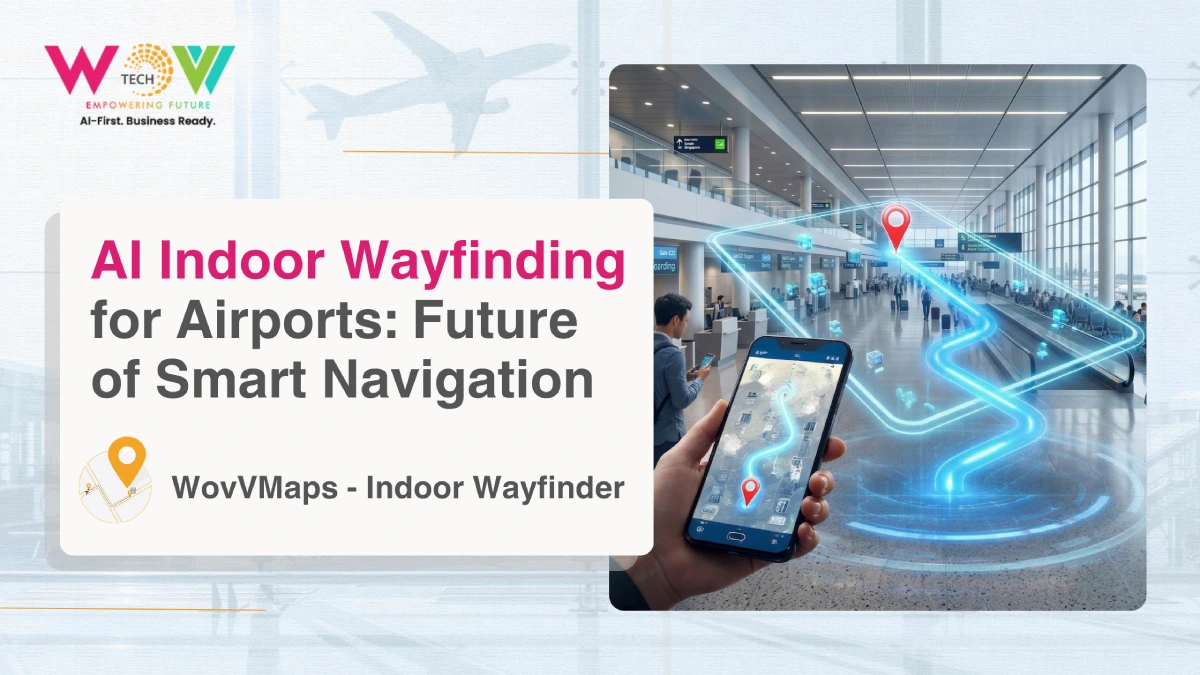
AI Indoor Wayfinding and Positioning is a smart navigation technology designed to help people move easily within large indoor environments where traditional GPS signals cannot function effectively. Using technologies such as Bluetooth beacons, Wi-Fi signals, sensors, and artificial intelligence algorithms, these systems determine the precise location of users and guide them to their destinations.
Passengers can use mobile applications, interactive kiosks, or digital screens to search for locations such as boarding gates, baggage claim areas, lounges, restaurants, or retail stores. The system then provides step-by-step navigation with the most efficient route.
Modern indoor wayfinding for airports solutions also integrate with flight information systems and operational databases. This allows passengers to receive real-time updates related to gate changes, delays, and alternate routes within the airport.
Ready to get started?

Why Do Airports Need Indoor Wayfinding Systems?
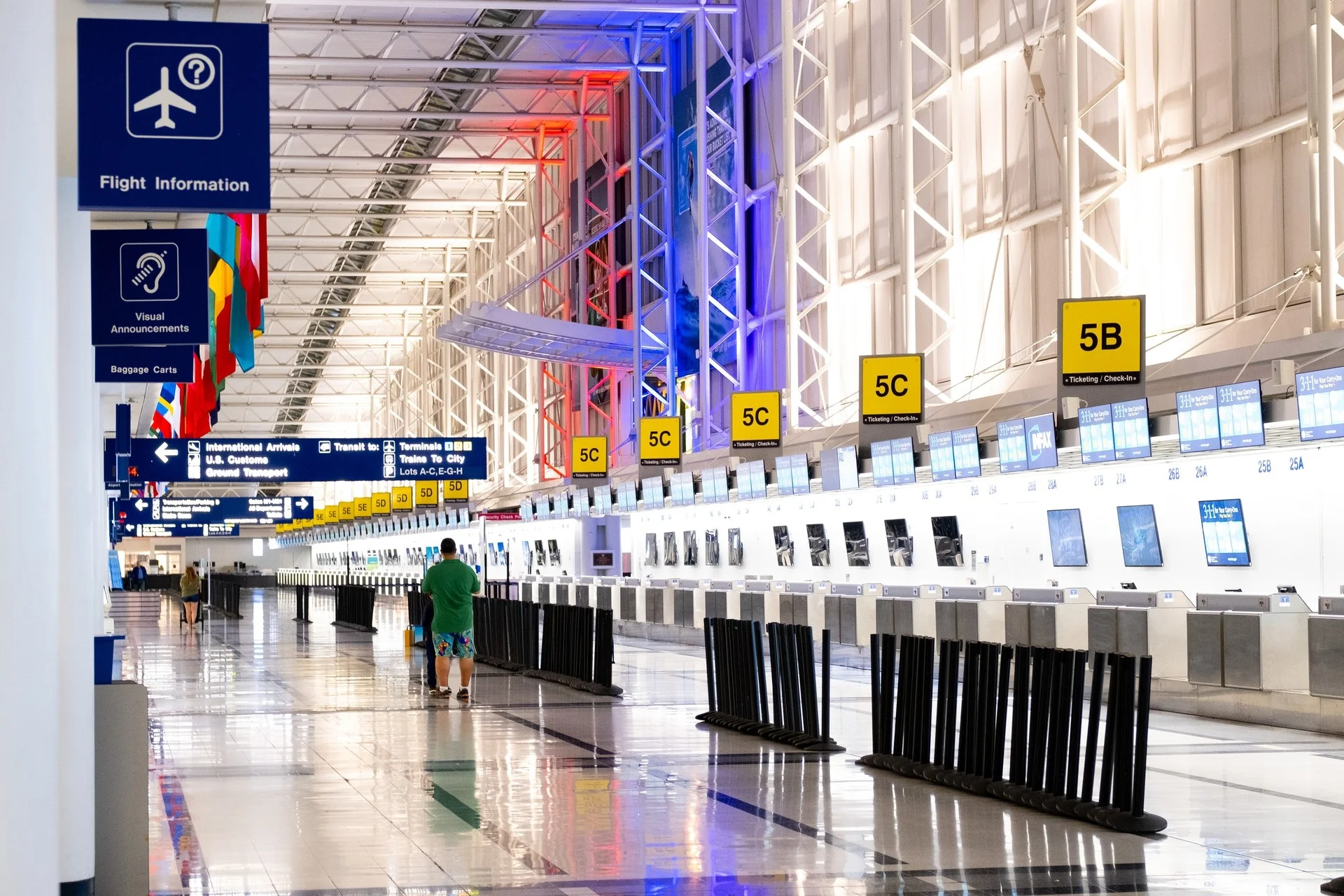
Airports handle large volumes of passengers daily, and navigating through terminals can often be stressful for travelers, especially those visiting for the first time. Passengers must locate check-in counters, security checkpoints, departure gates, baggage claim areas, and airport services within limited time.
By implementing indoor wayfinding for airports, airport operators can simplify passenger navigation and reduce confusion. Real-time directions allow travelers to move quickly through terminals, reducing congestion and improving the overall travel experience.
In addition to passenger convenience, indoor navigation systems support operational improvements. When combined with airport management solutions, these platforms provide airport authorities with data insights that help optimize passenger flow, manage crowd density, and improve terminal efficiency.
How Does AI Indoor Wayfinding Support Airport Retail Analytics?
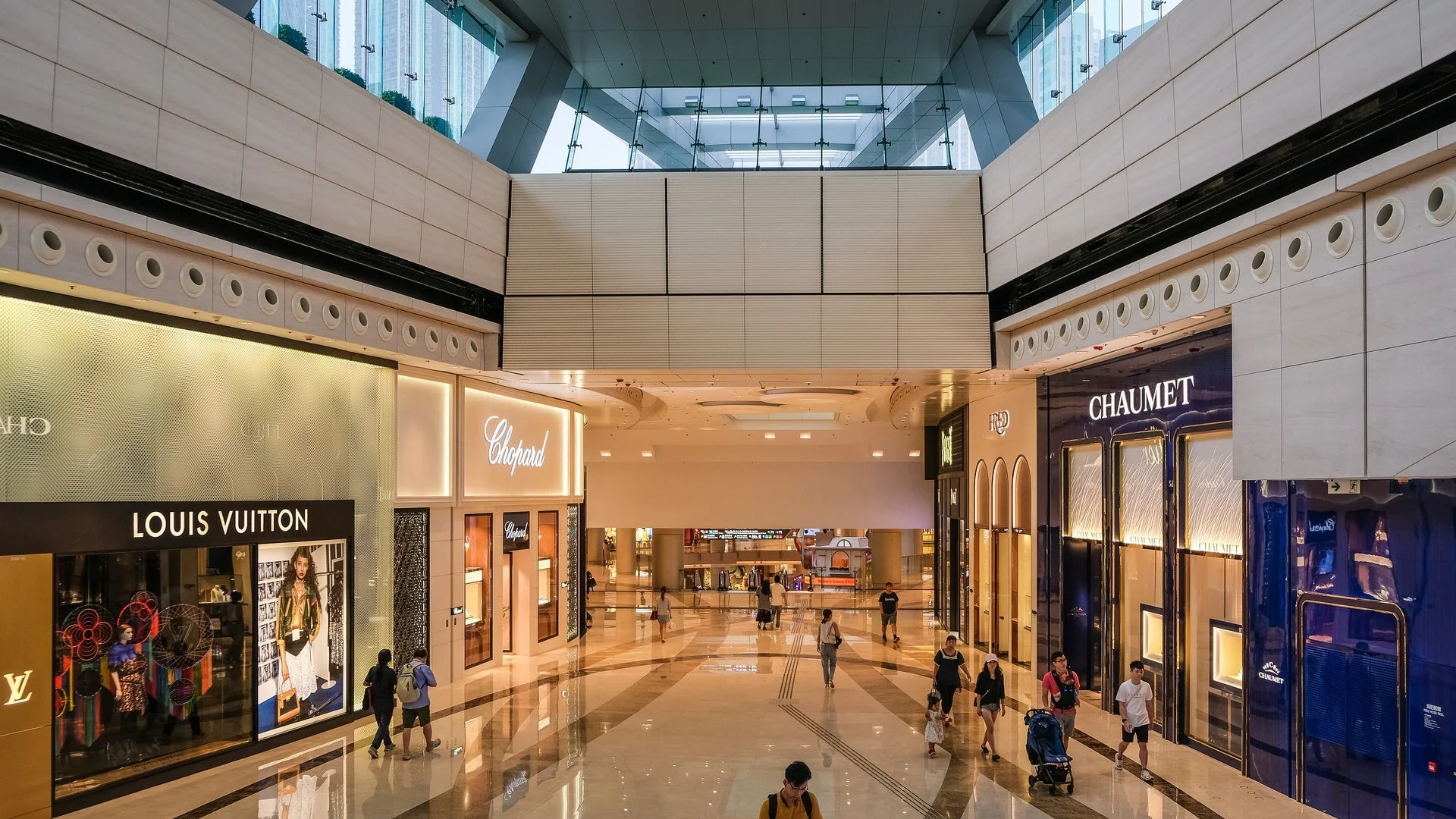
Airports are not only transportation hubs but also major retail destinations. Duty-free stores, restaurants, and brand outlets generate significant non-aeronautical revenue for airport operators. Understanding passenger movement and shopping behavior is essential for maximizing these opportunities.
AI-powered navigation systems provide valuable insights that support airport retail analytics. By analyzing passenger movement patterns and dwell times, airport authorities can identify high-traffic areas and optimize store placement.
Retail managers can use these insights to design better marketing campaigns, place promotional displays strategically, and enhance customer engagement. This data-driven approach helps increase retail conversions and improves overall commercial performance within airport terminals.
How Can Airport Revenue Assurance Tools Benefit from Wayfinding Data?
Revenue optimization is a critical objective for modern airports. As competition grows and operational costs increase, airports must ensure that all revenue streams are accurately tracked and optimized.
Indoor navigation systems generate valuable operational data that can complement an airport revenue assurance tool. For example, insights into passenger traffic and retail interactions can help identify discrepancies between expected and actual commercial performance.
When integrated with financial and operational platforms, these insights allow airport authorities to monitor revenue sources more effectively, detect potential revenue leakages, and improve financial transparency. This collaboration between navigation systems and revenue analytics tools enables airports to make more informed strategic decisions.
Key Features of AI Indoor Wayfinding for Airports
Real-time navigation and positioning
AI-powered systems provide accurate indoor location tracking and guide passengers step by step to their destinations within airport terminals.
Interactive digital maps
Passengers can easily search for airport facilities, retail stores, lounges, and services through user-friendly digital maps available on mobile apps or kiosks.
Integration with airport management systems
Indoor navigation platforms can integrate with existing airport management solutions to provide real-time operational insights and improve passenger flow management.
Data-driven insights for airport retail analytics
Passenger movement data can be analyzed to support airport retail analytics, helping businesses optimize store locations and marketing strategies.
Enhanced operational visibility
Data generated from navigation systems can support financial monitoring tools such as airport revenue assurance tools, helping airport operators maintain accurate revenue tracking.
Conclusion
AI-powered indoor navigation is becoming an essential component of modern airport infrastructure. By implementing AI Indoor Wayfinding and Positioning, airports can significantly improve passenger navigation while also supporting operational efficiency and commercial growth.
These systems not only help travelers move smoothly through complex terminals but also provide valuable insights that support airport retail analytics, enhance airport management solutions, and complement advanced airport revenue assurance tools.Solutions like WovVMaps enable airports to deliver seamless navigation experiences while gaining powerful data insights about passenger movement and engagement.
Explore the Future of
Business Automation with WovVTech


Know how AI Indoor Wayfinding transforms airport navigation?
Let our experts guide you through smart navigation solutions, real-time passenger tracking, and advanced airport analytics capabilities.